CARTOGRAPHIE DE L'INDICIBLE ( 2026)
J’ai grandi dans une enfance paisible, aimante, jalonnée de souvenirs heureux. Pourtant, très tôt, un malaise diffus s’est imposé : cauchemars récurrents, sensation d’être poisseuse de la peau, maux de ventre sans cause apparente. Je ne trouvais pas les mots pour décrire ce qui m’arrivait.
Mon corps, lui, savait. Il gardait la mémoire des lieux, des odeurs, des gestes.
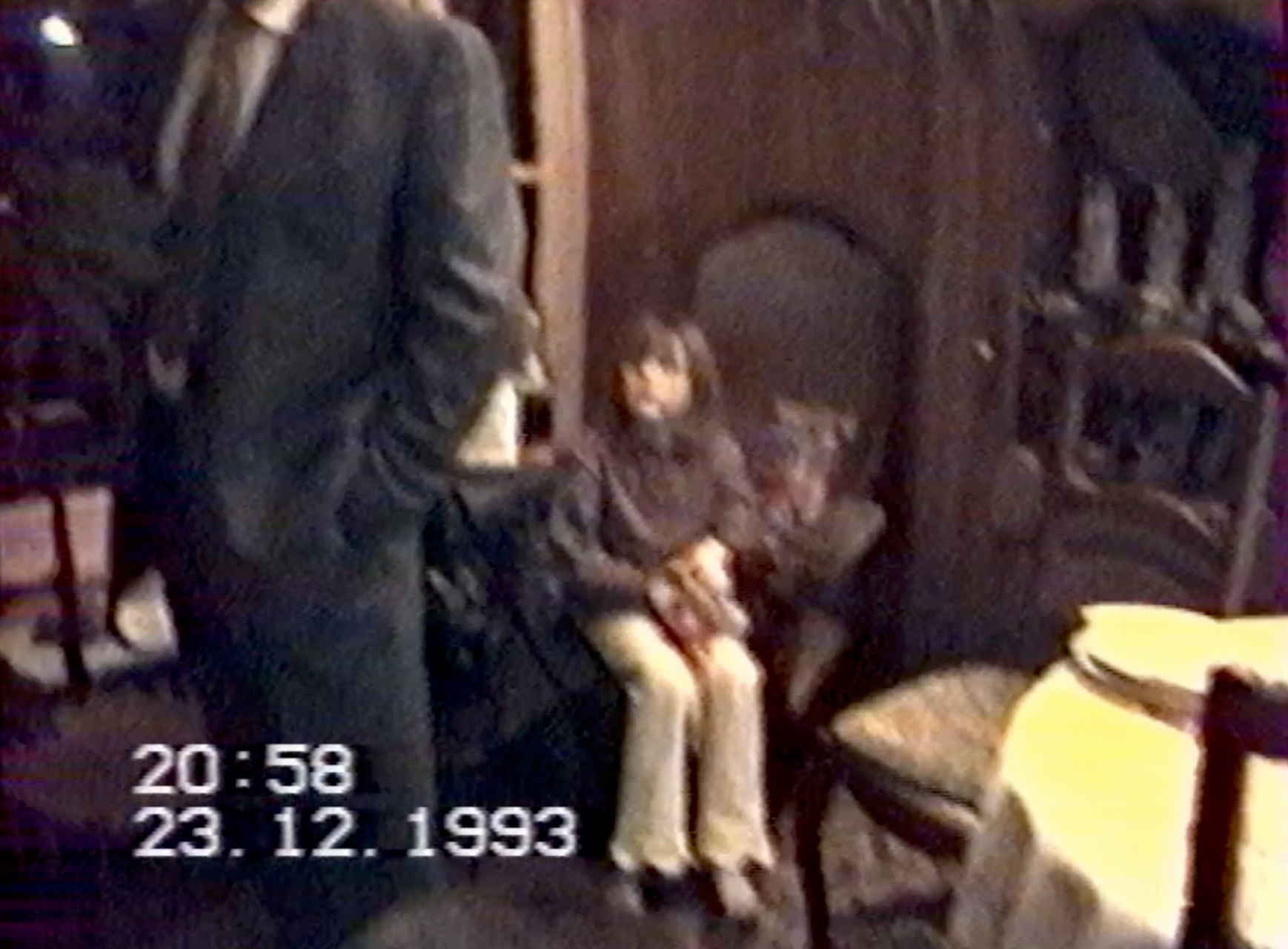
« Si nous questionnons la photo c’est qu’elle constitue la trace tangible d’un vécu. »
- Christine Ulivucci -
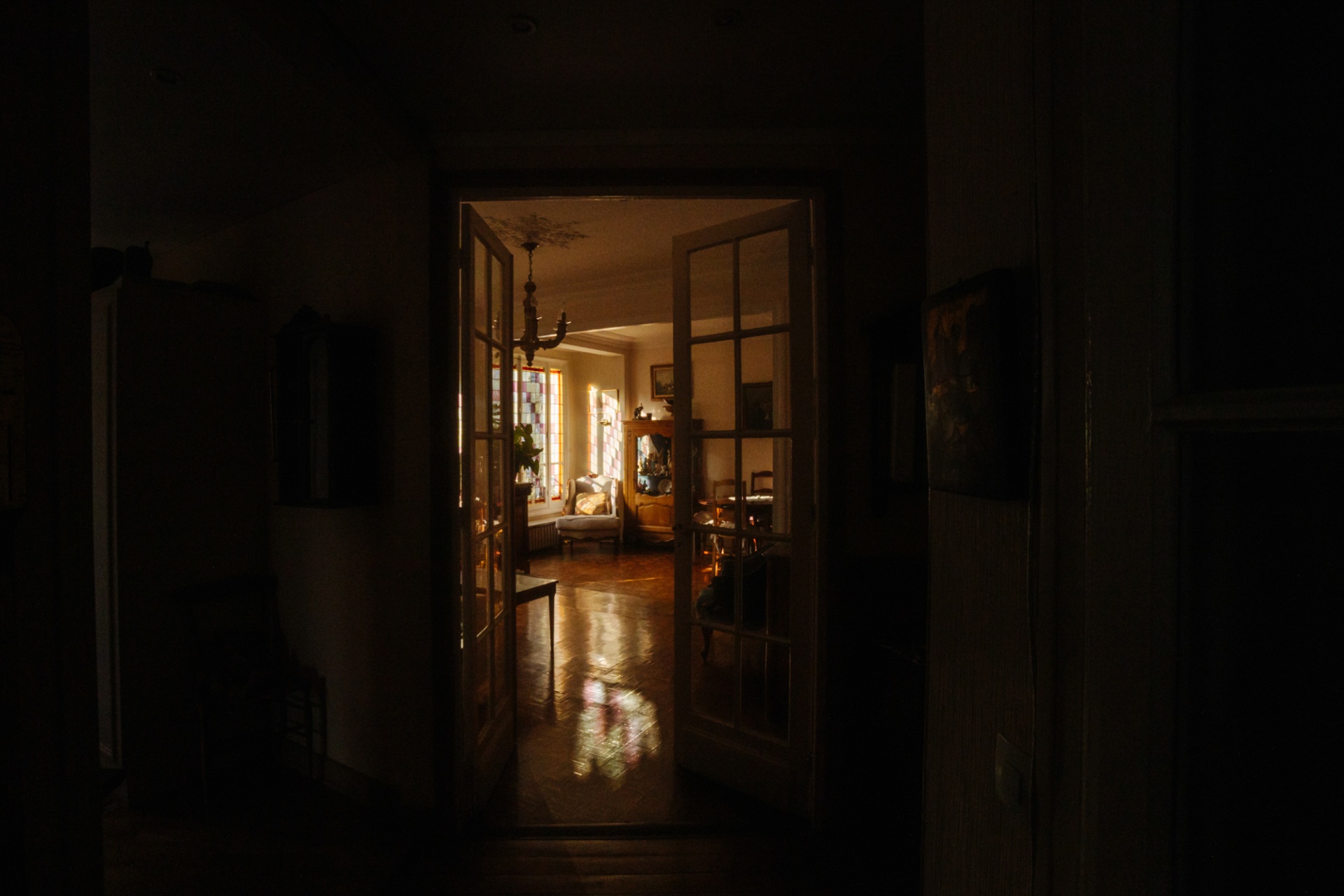
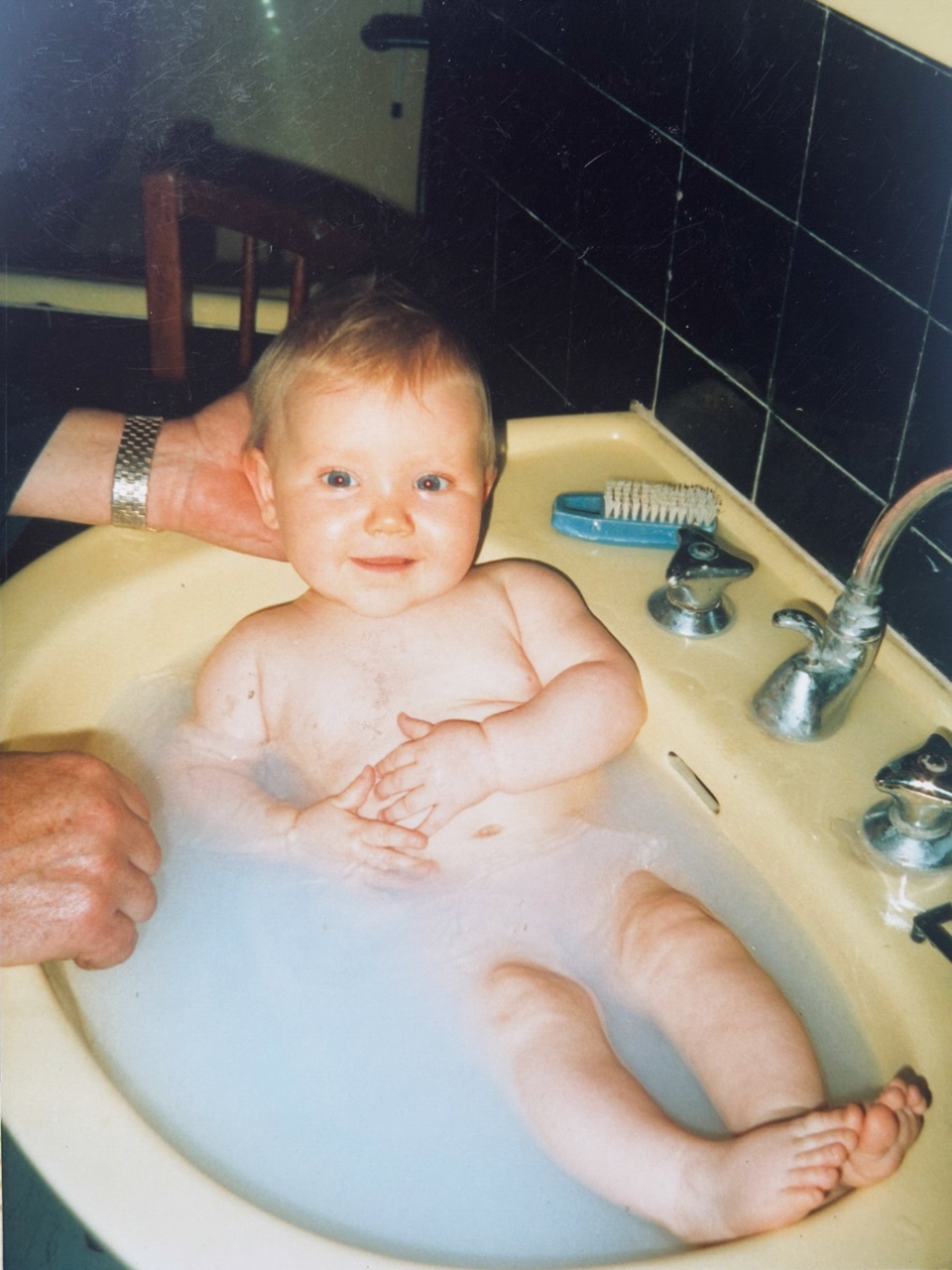
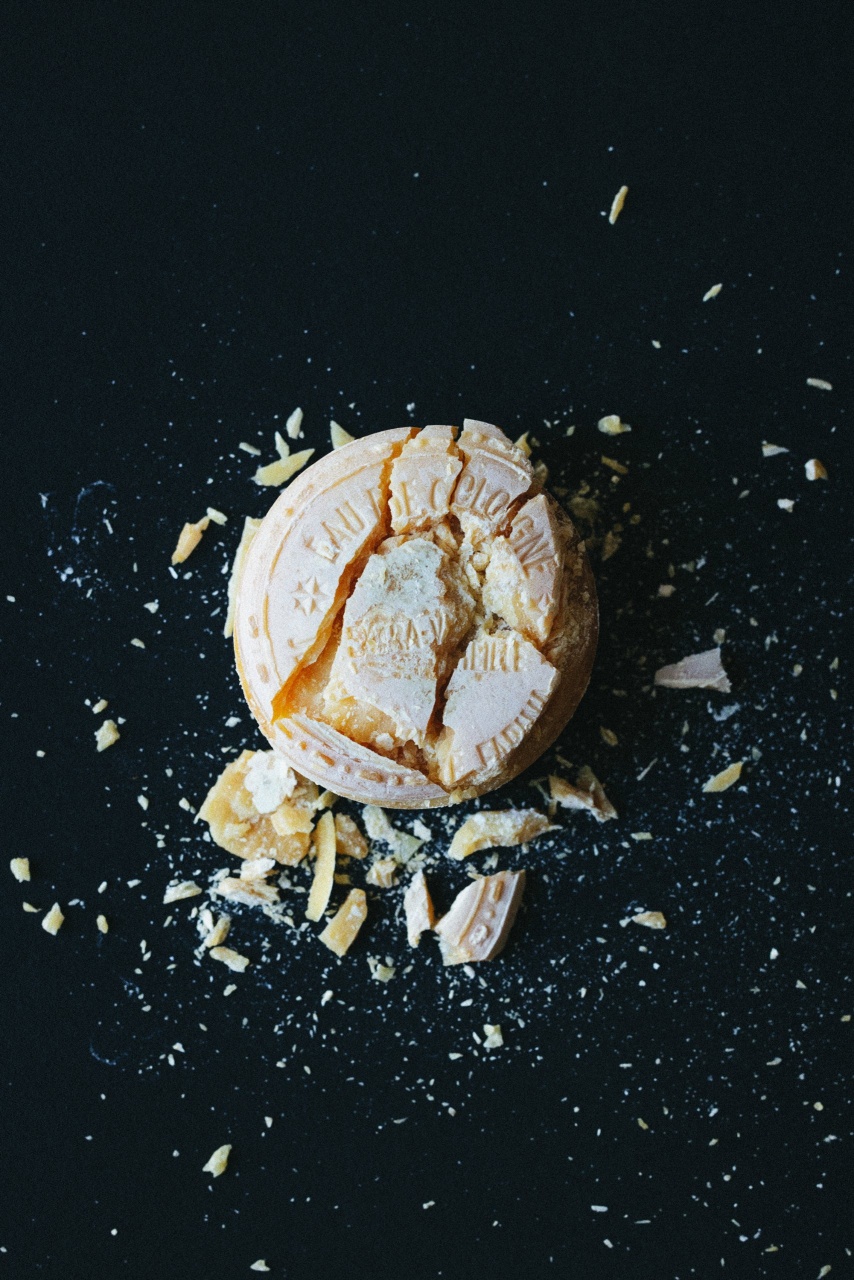
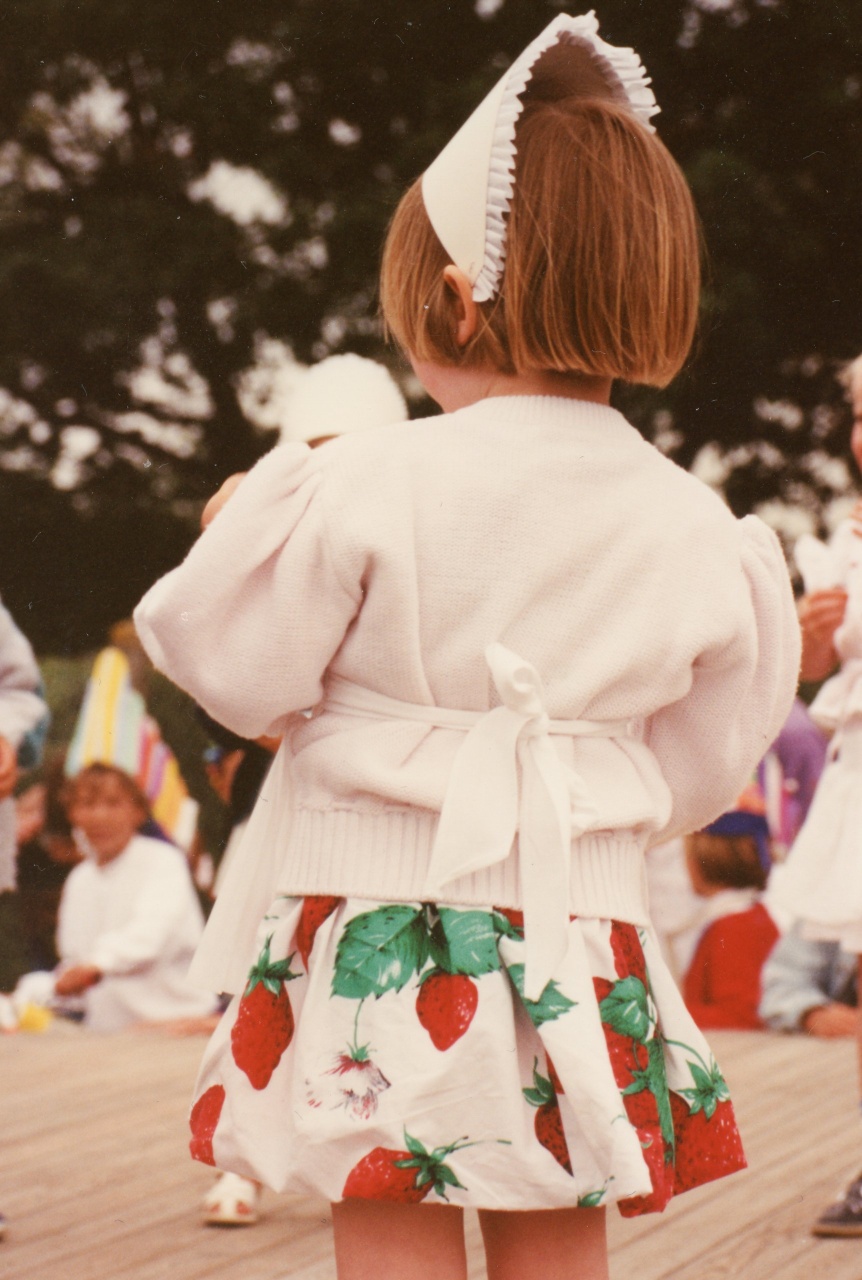
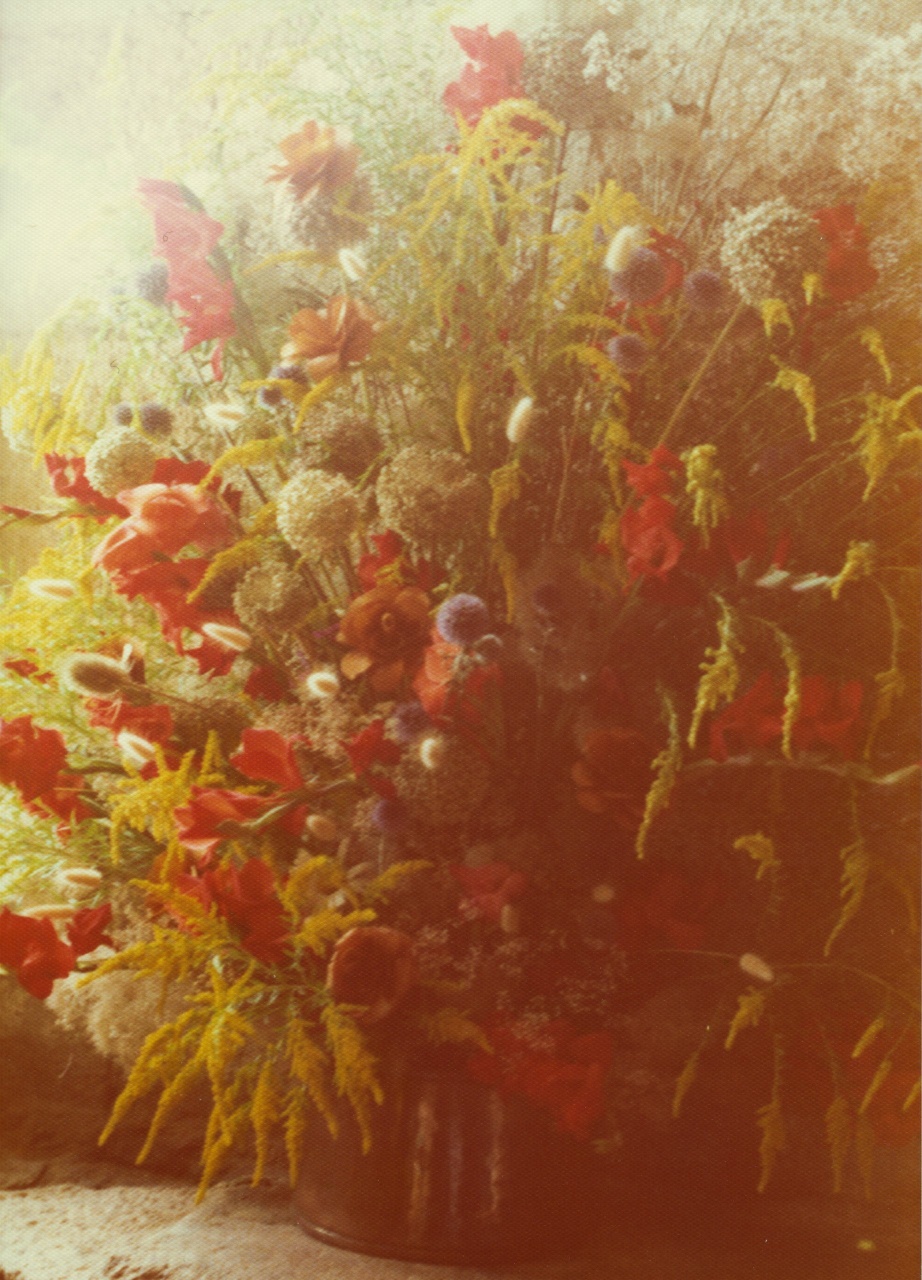
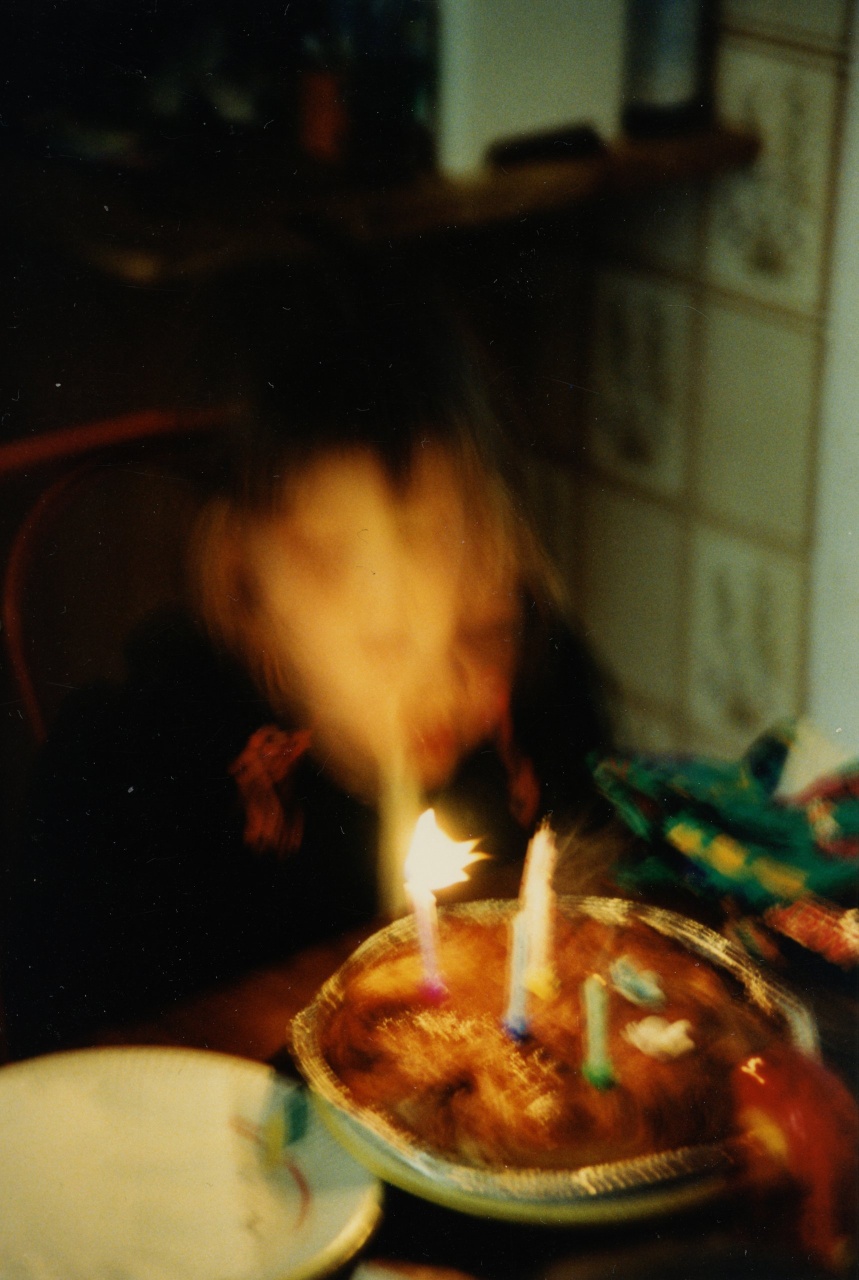
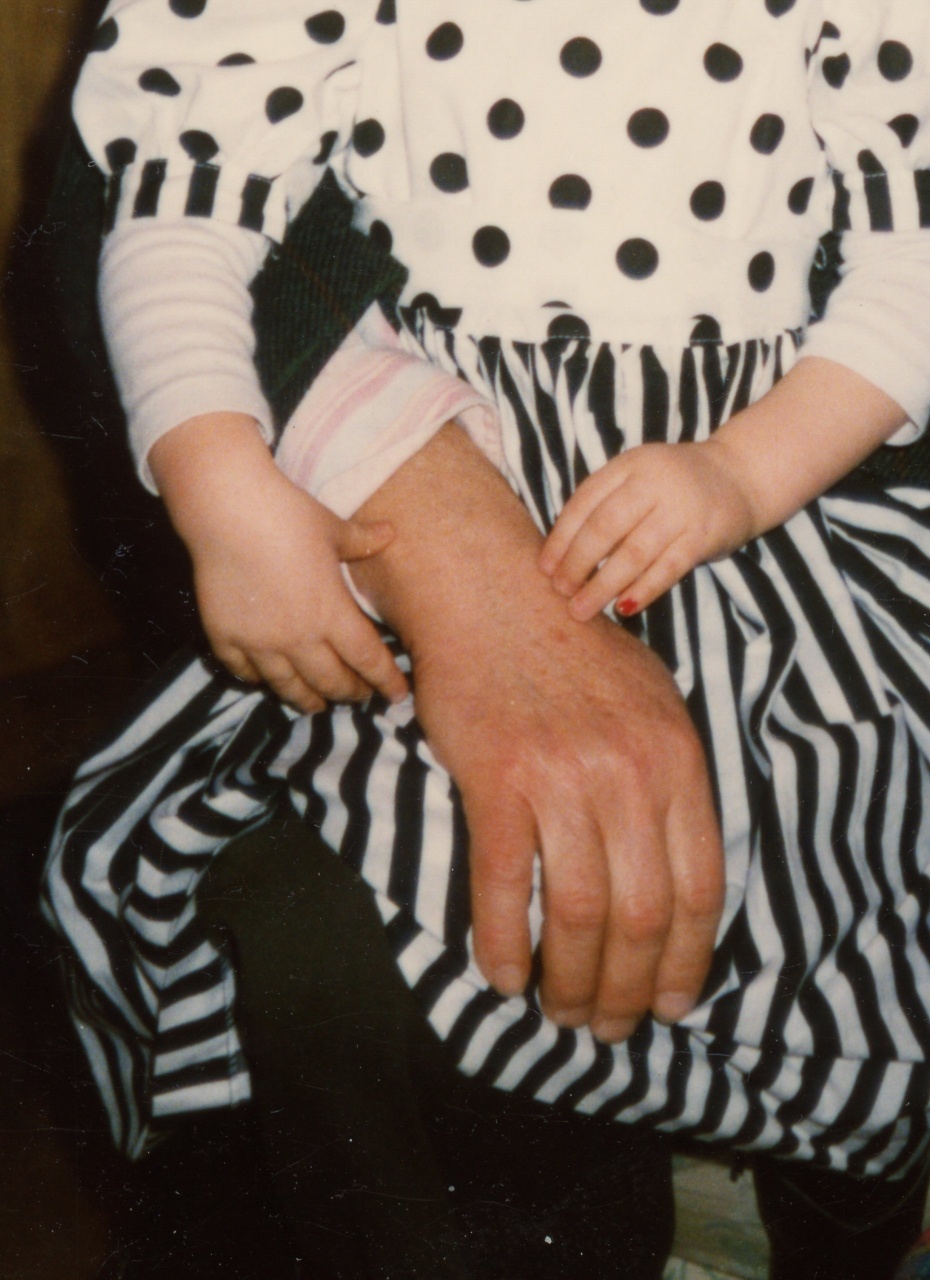
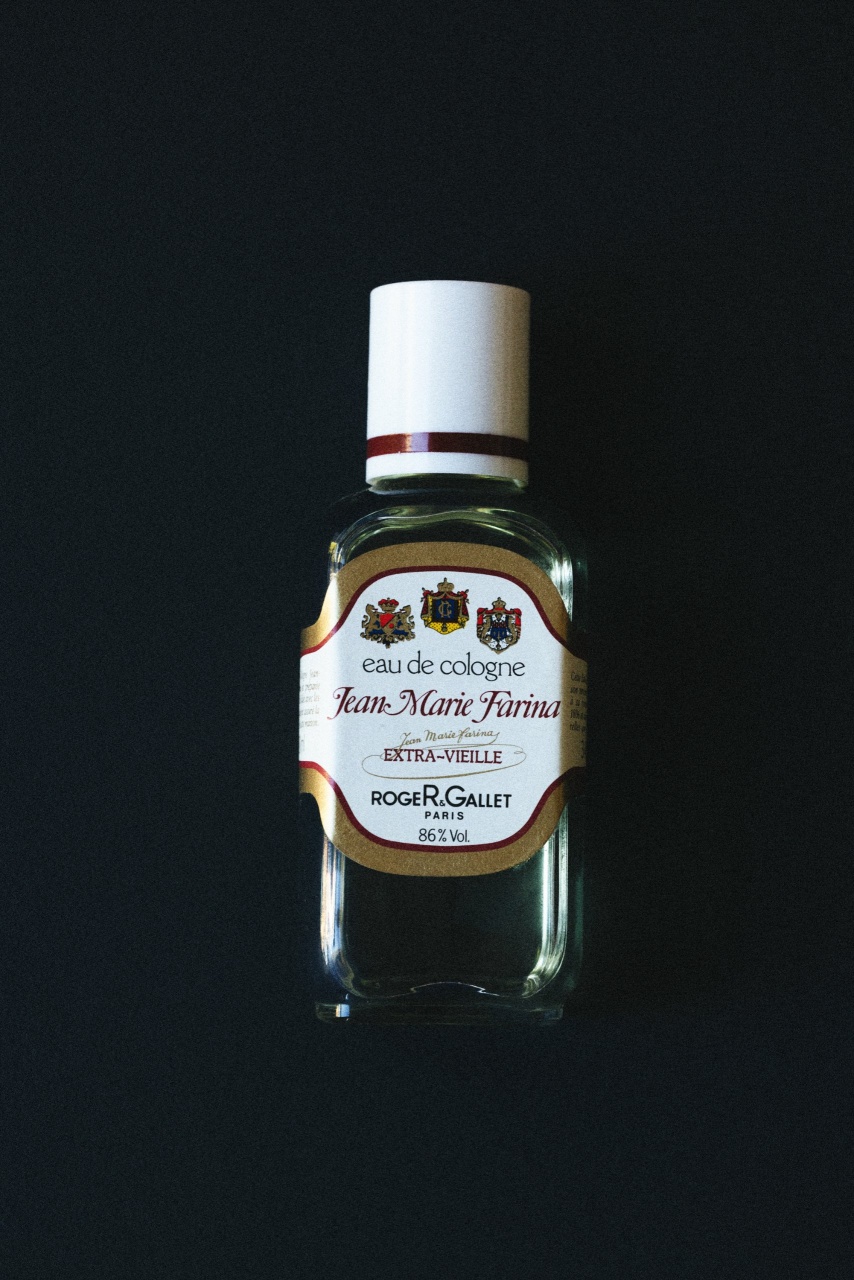
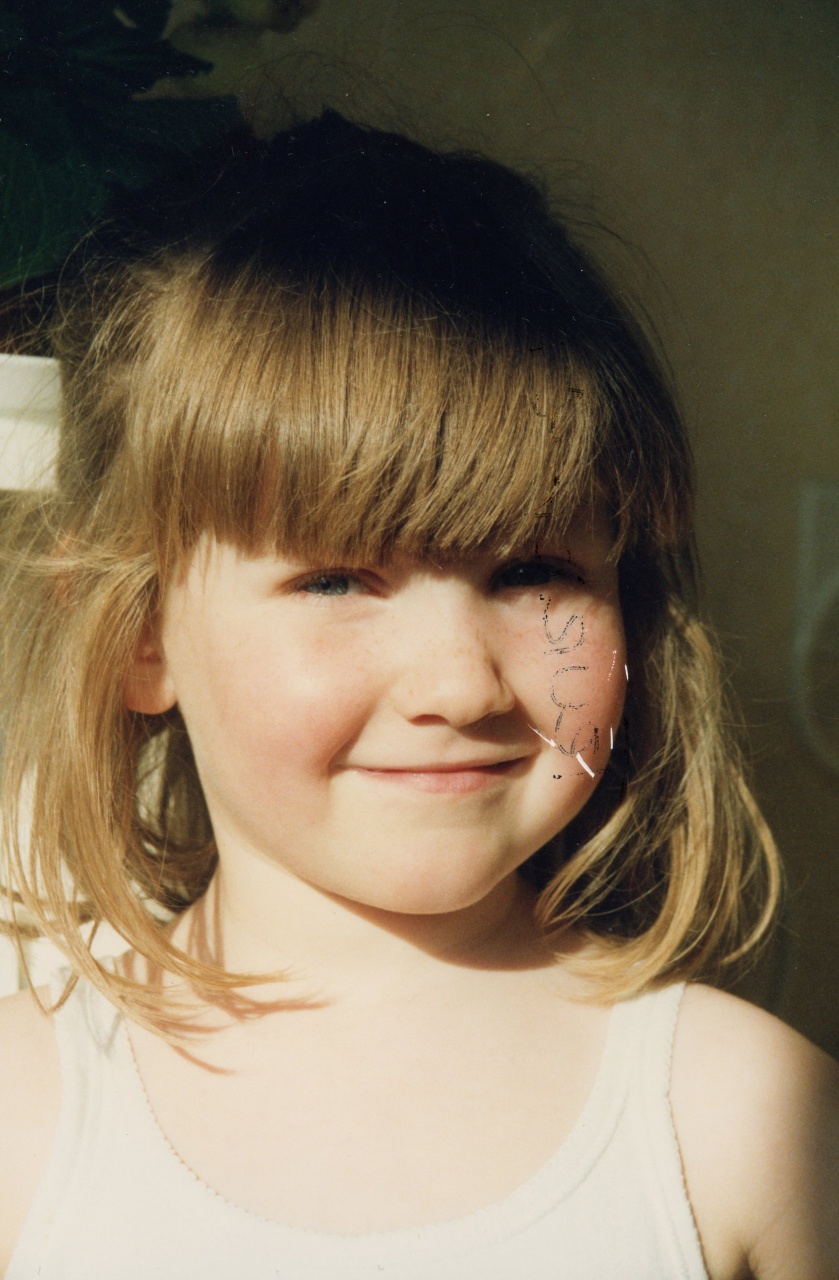
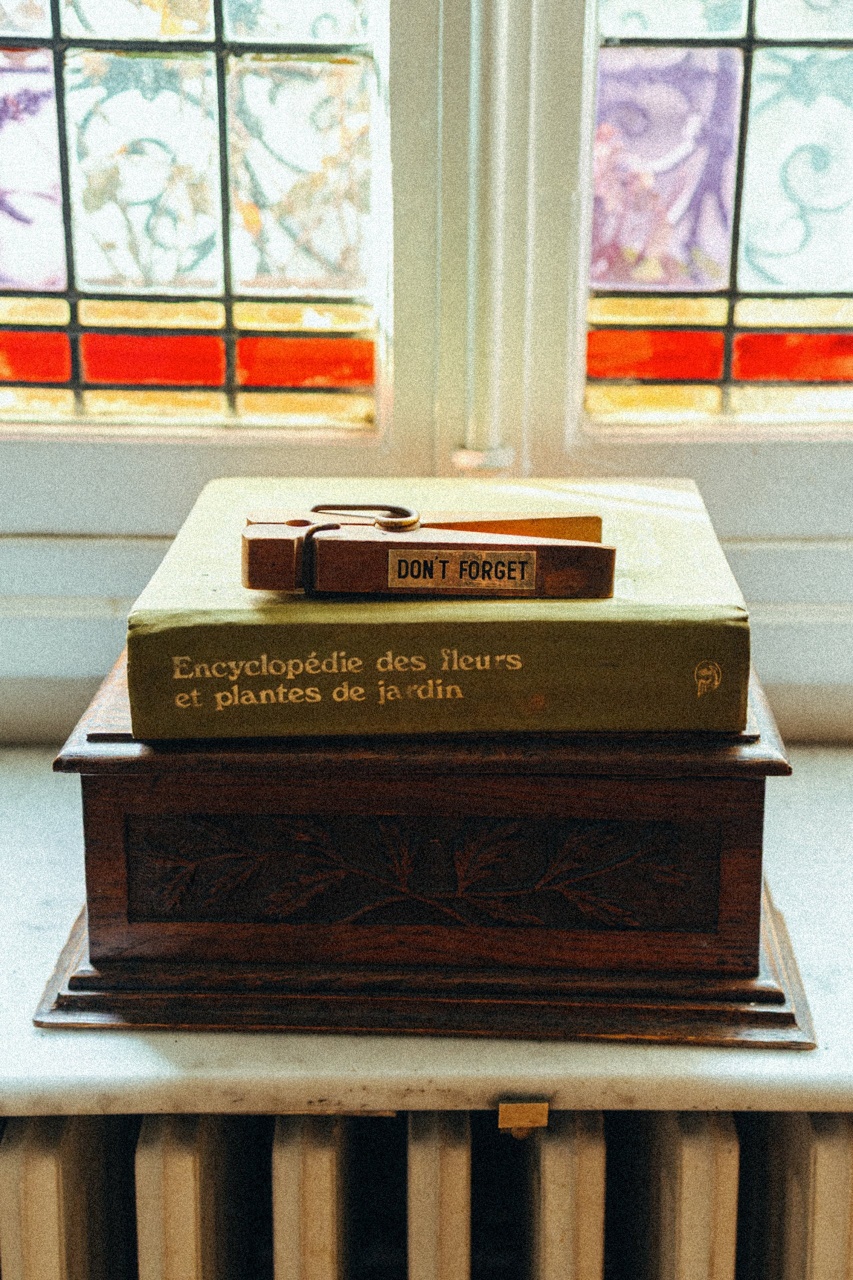
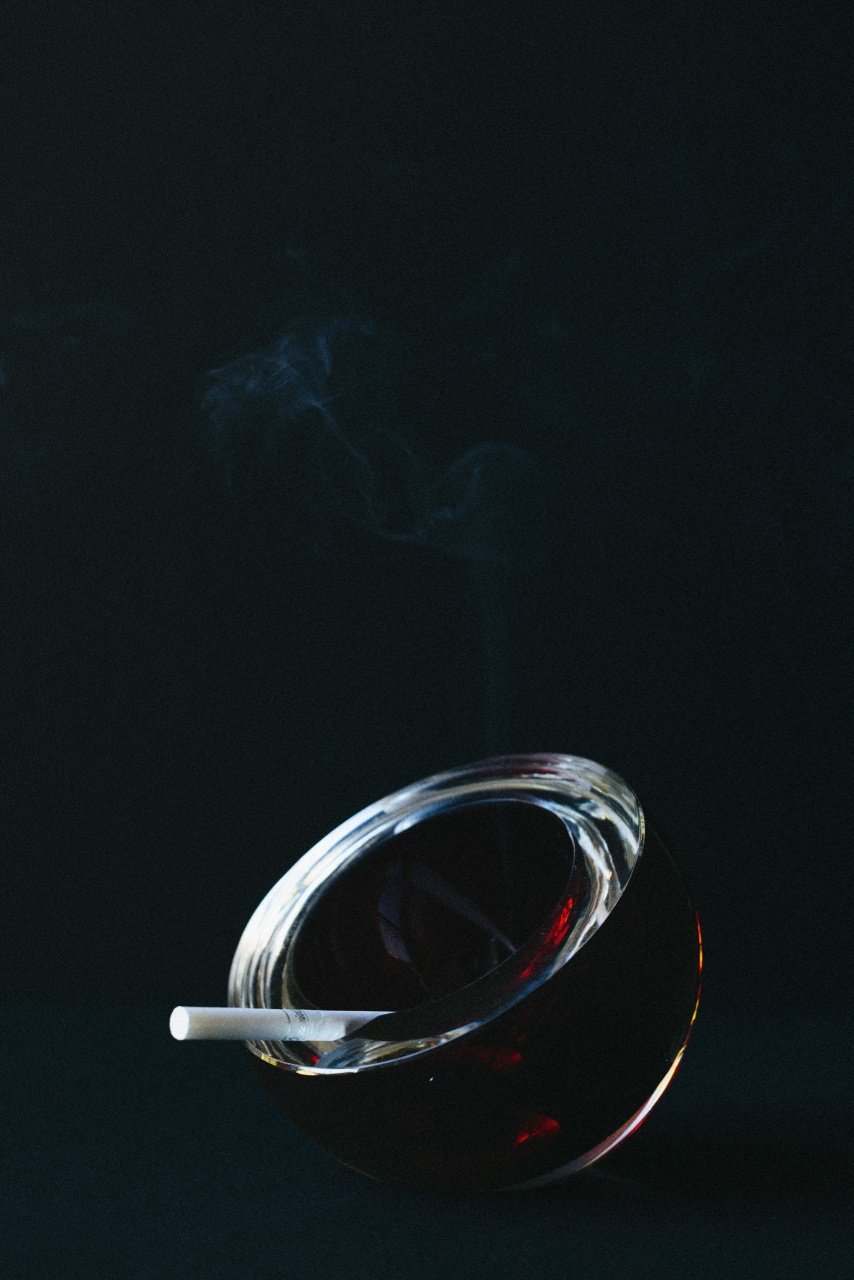
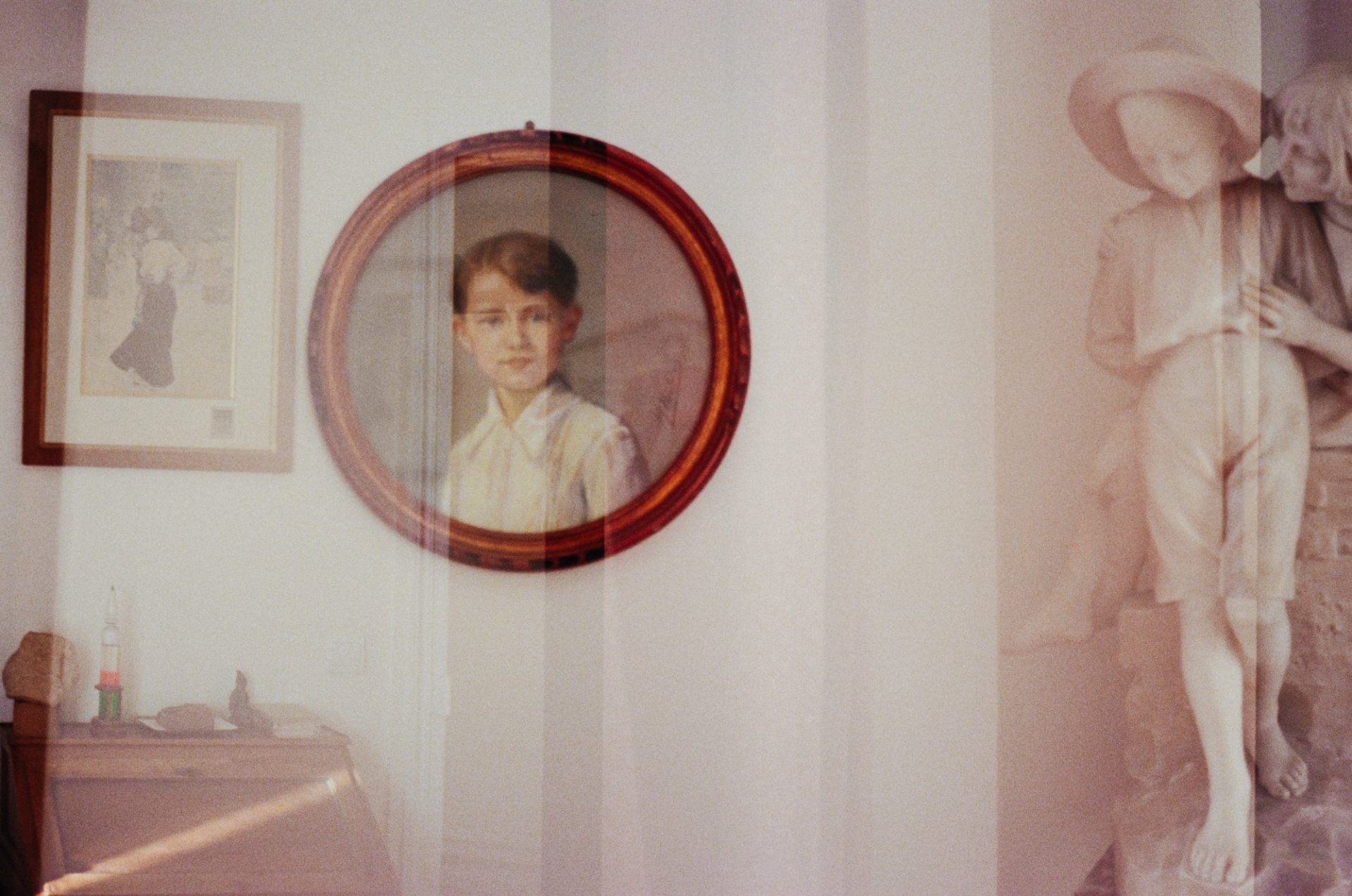
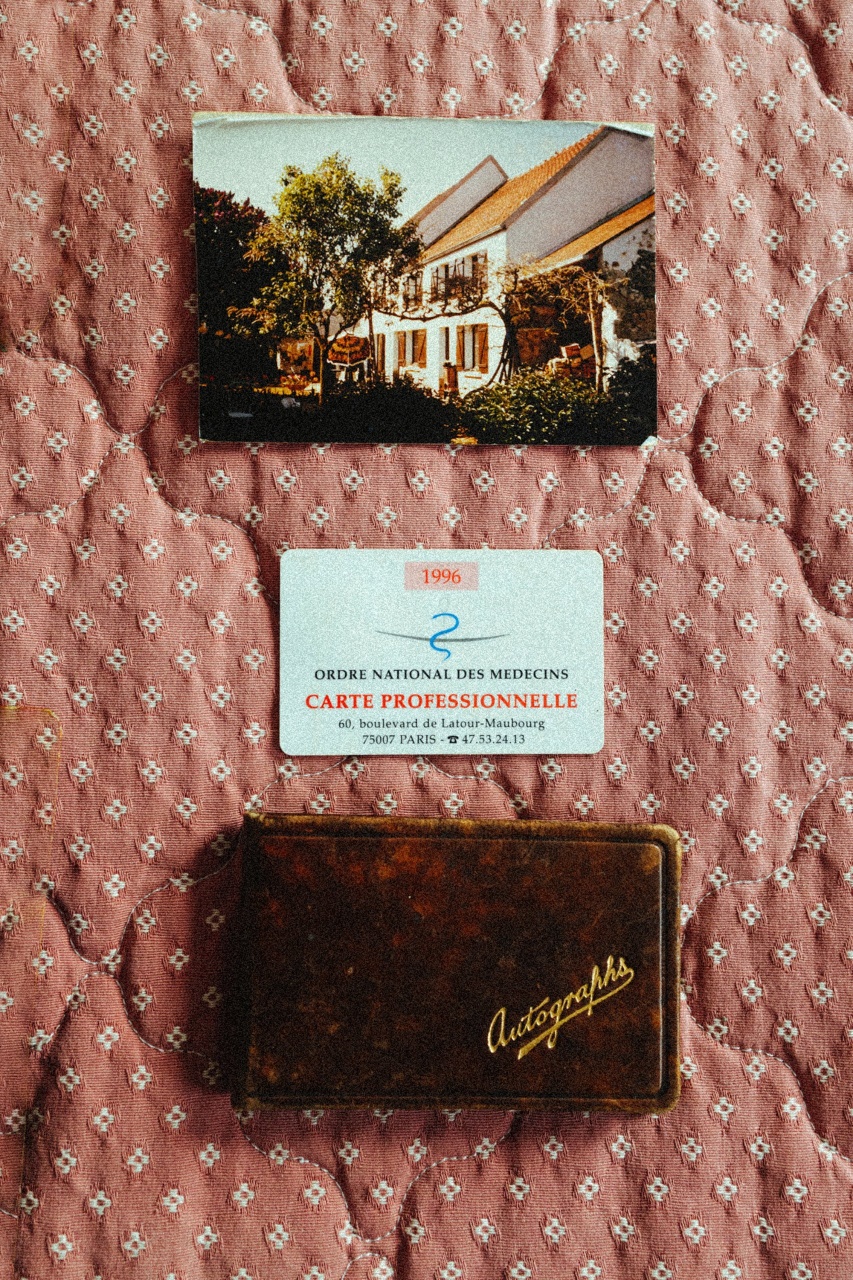
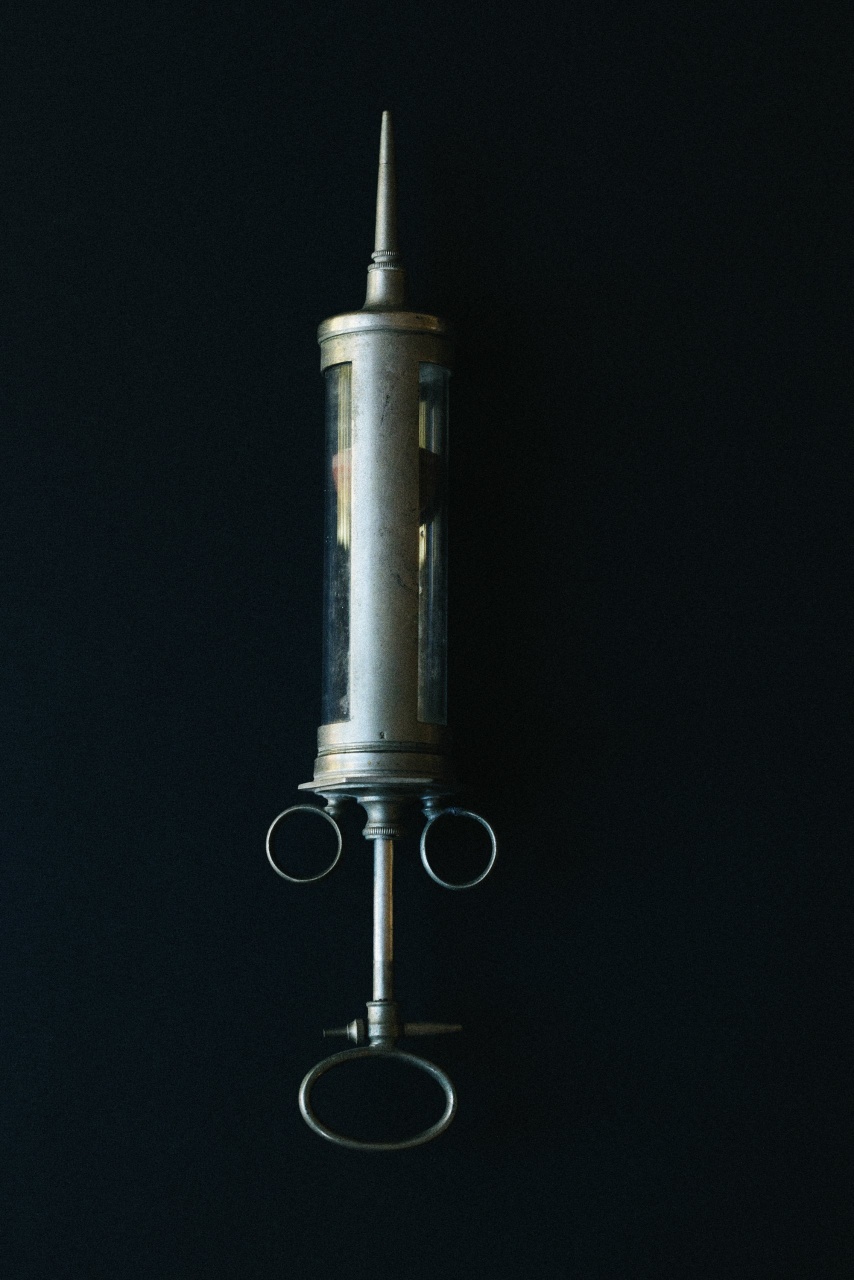
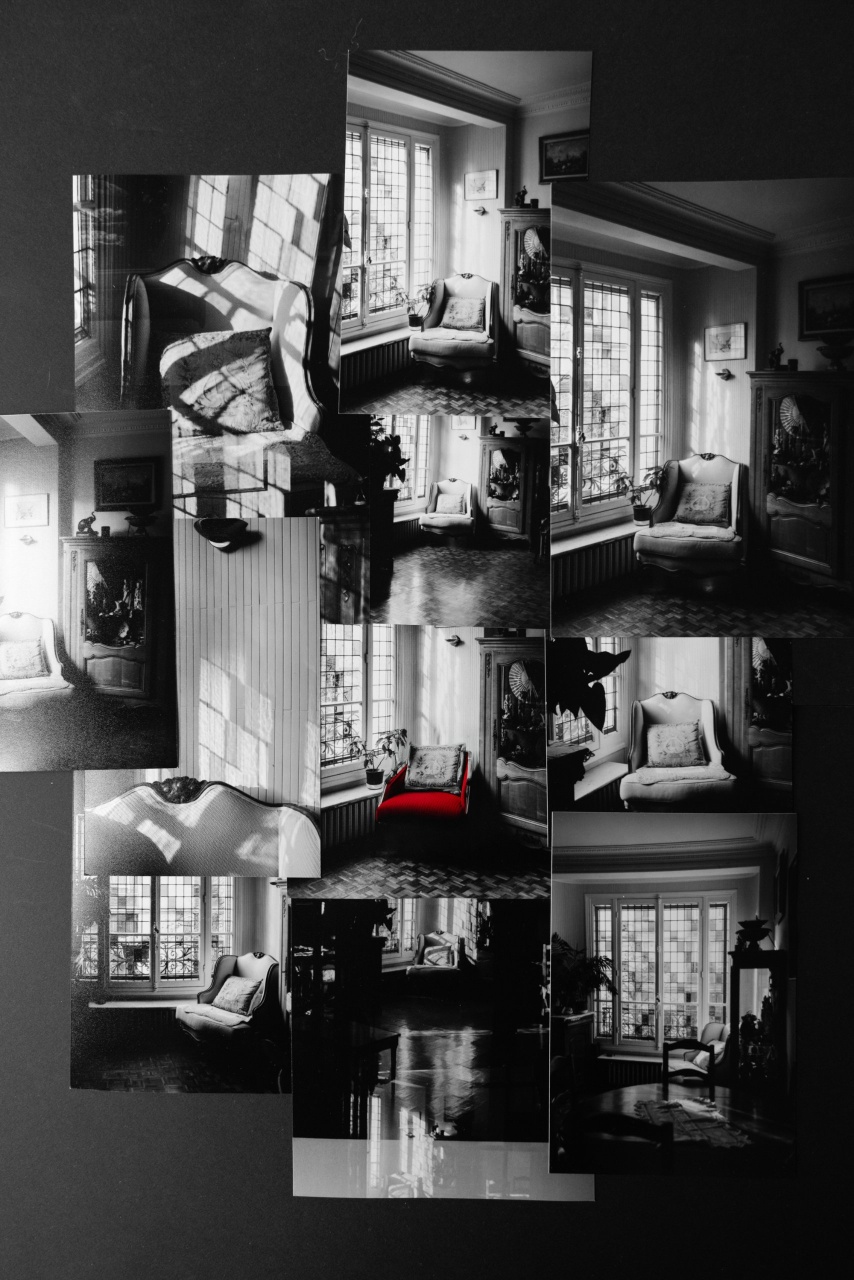
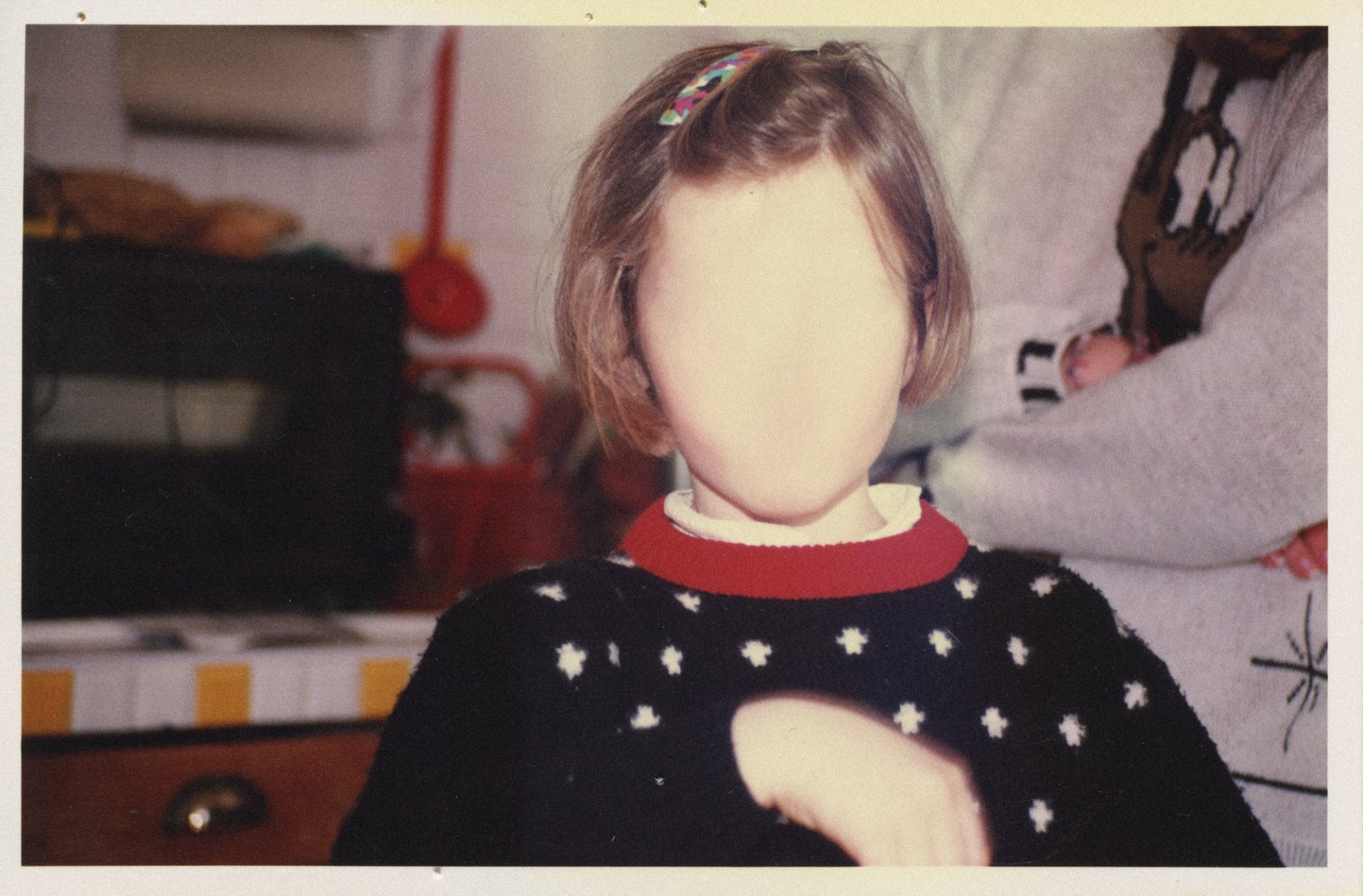
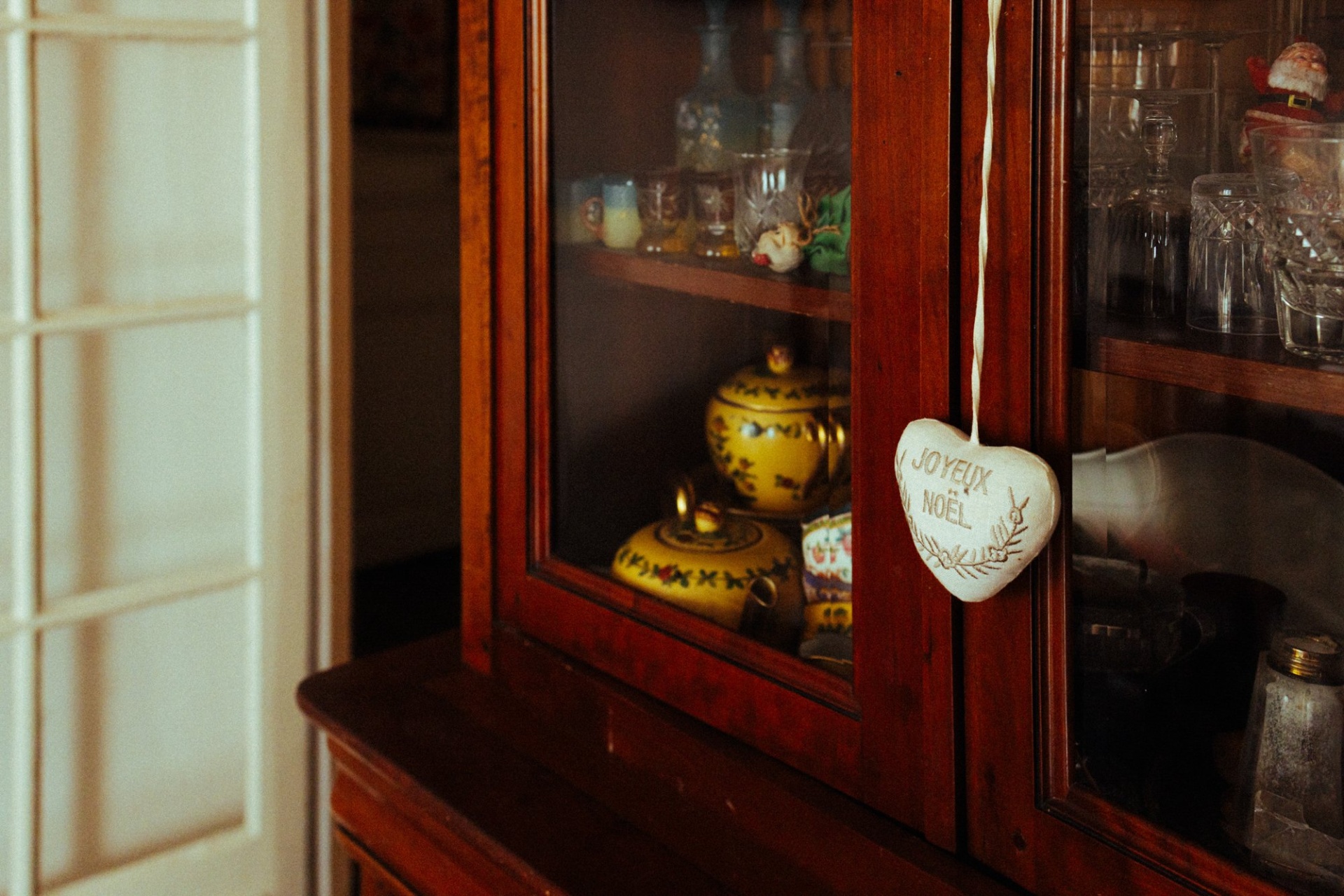
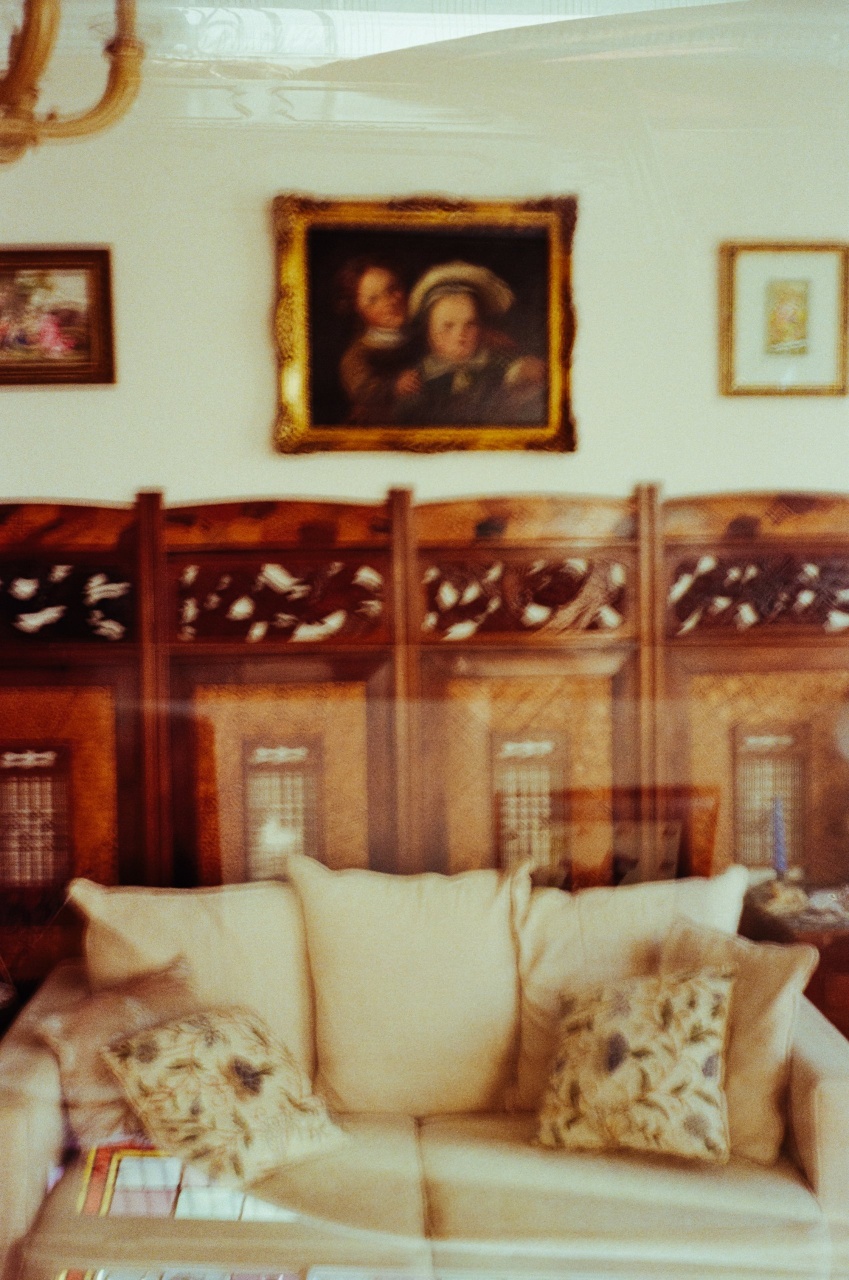
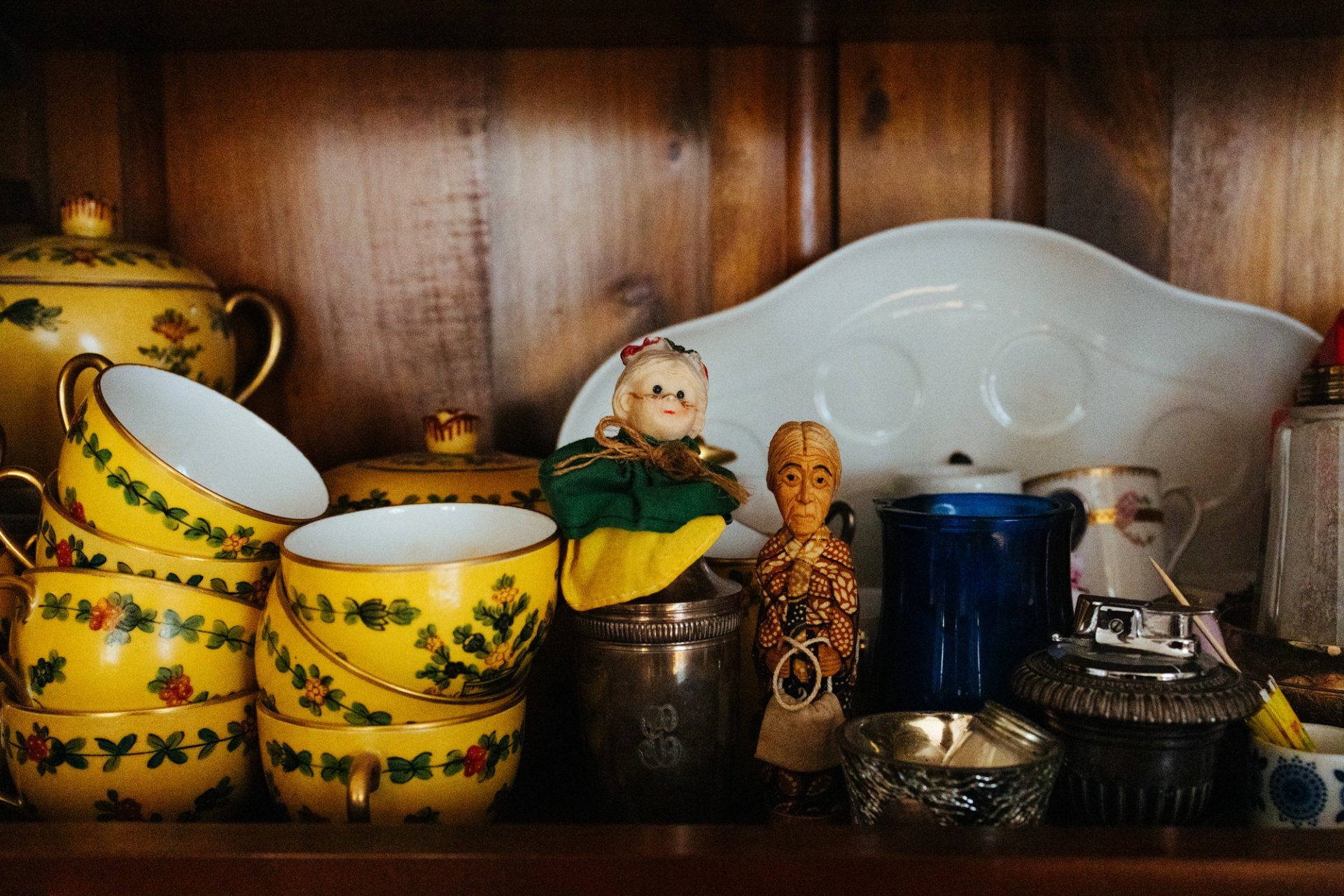
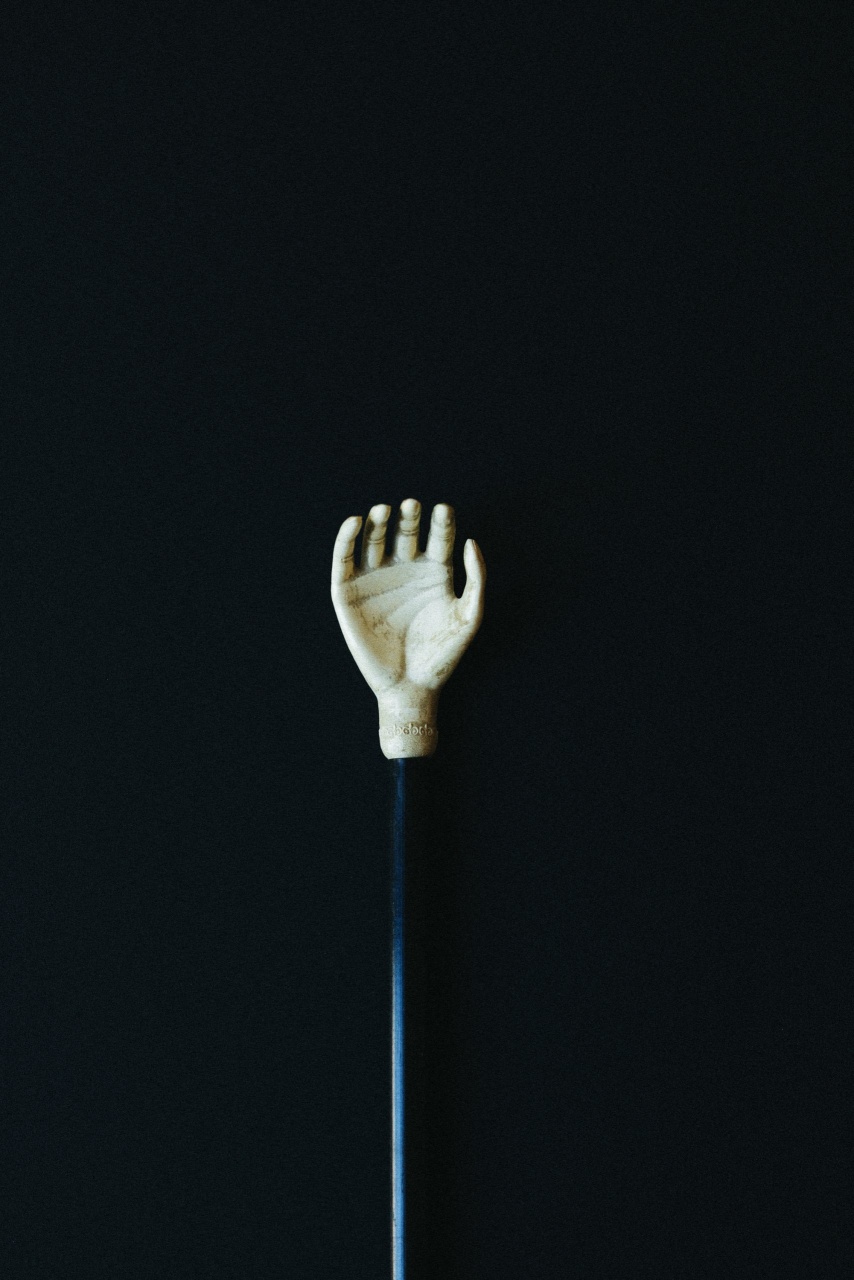
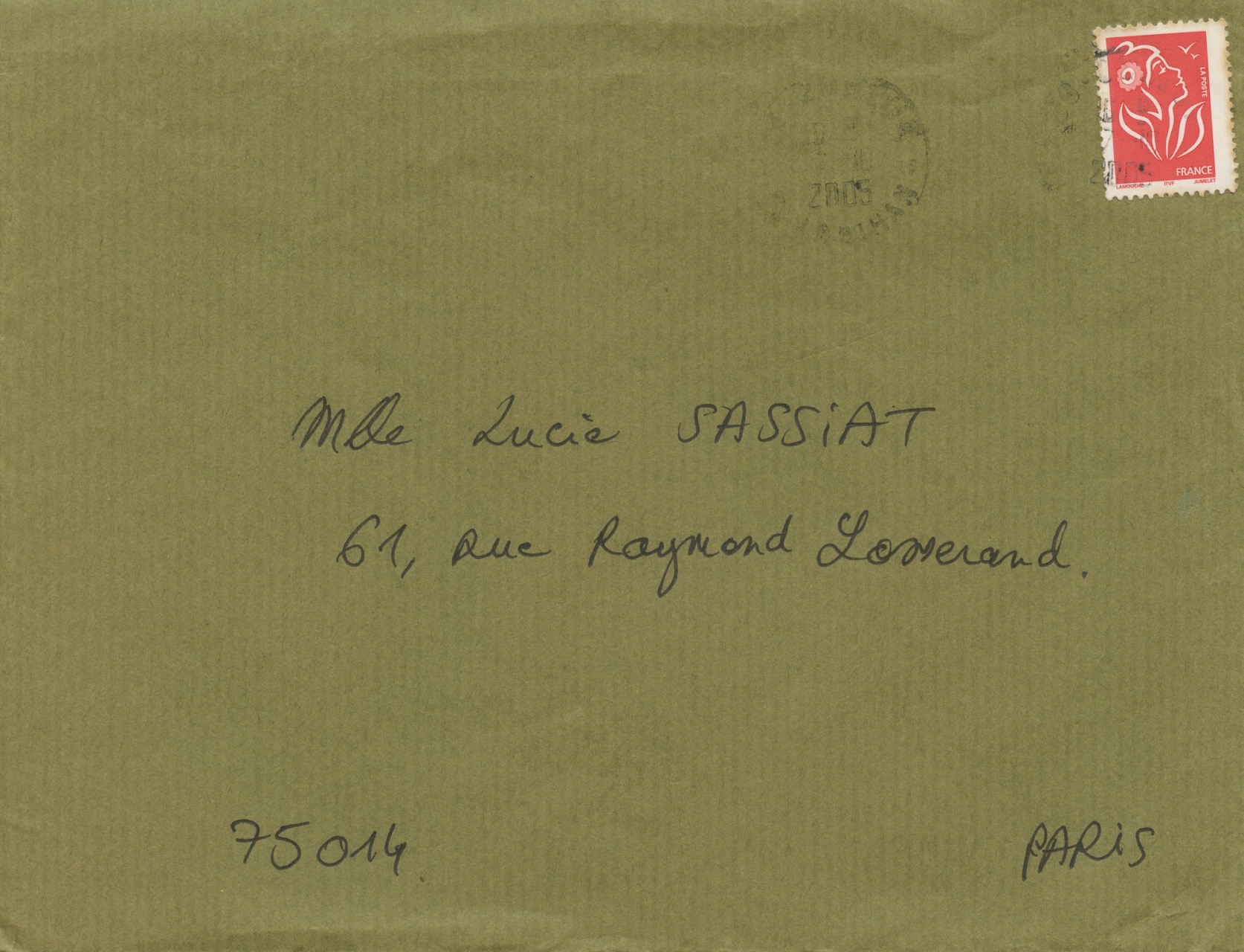
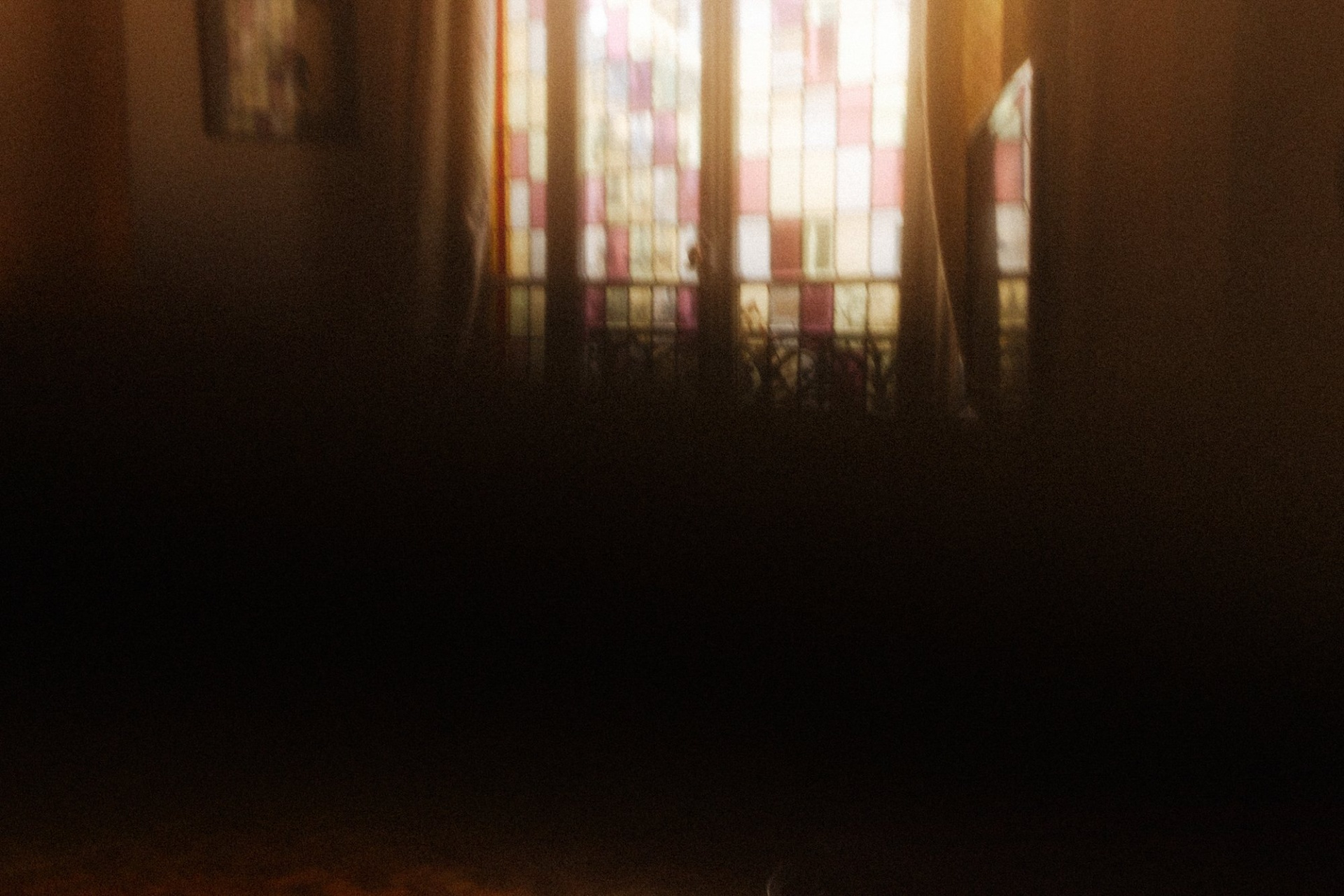
C’est à partir de ce matériau photographique d’archives familiales que j’ai commencé une enquête sur ma propre histoire. Je collecte les indices comme on rassemble les pièces d’un crime sans cadavre. Les flashs répétitifs : le fauteuil, les mains, l’eau de Cologne et la cigarette reviennent. Les objets du décor, aujourd’hui photographiés à l’âge adulte, sont devenus des preuves muettes. L’enveloppe portant mon adresse marque la levée d’amnésie et l’arrivée à Paris.
En capturant ces détails, j’illustre la dissociation et l’étrangeté du réel, sans transformer l’agresseur en monstre, mais en révélant sa banalité et les conséquences durables de ses actes. Ce travail questionne la légitimité de la douleur cachée derrière des vies ordinaires.
La série ouvre un espace à une douleur qui n’avait pas de place, et à toutes les souffrances tues. Pendant des années, les objets se sont tus. Photographiés, ils témoignent.
Mapping the Unspeakable
grew up in a peaceful, loving childhood, marked by happy memories. Yet very early on, a diffuse unease took hold: recurring nightmares, a feeling of being sticky in my own skin, stomach aches with no apparent cause. I could not find the words to describe what was happening to me. My body, however, knew. It held the memory of places, smells, gestures.
« If we question the photograph, it is because it is the tangible trace of a lived experience. »
- Christine Ulivucci -
It was from this photographic material, drawn from family archives, that I began an investigation into my own history. I gather clues the way one assembles the evidence of a crime without a body. The flashes keep returning: the armchair, the hands, the eau de Cologne and the cigarette. The objects from that setting, photographed now as an adult, have become silent evidence. The envelope bearing my address marks the lifting of amnesia and my arrival in Paris.
By capturing these details, I convey dissociation and the strangeness of reality. I do not turn the abuser into a monster; I reveal his ordinariness and the lasting consequences of his actions. This work questions the legitimacy of pain hidden behind ordinary lives.
The series makes room for a pain that was never granted a place, and for every suffering kept quiet. For years, the objects said nothing. Photographed, they now bear witness.